
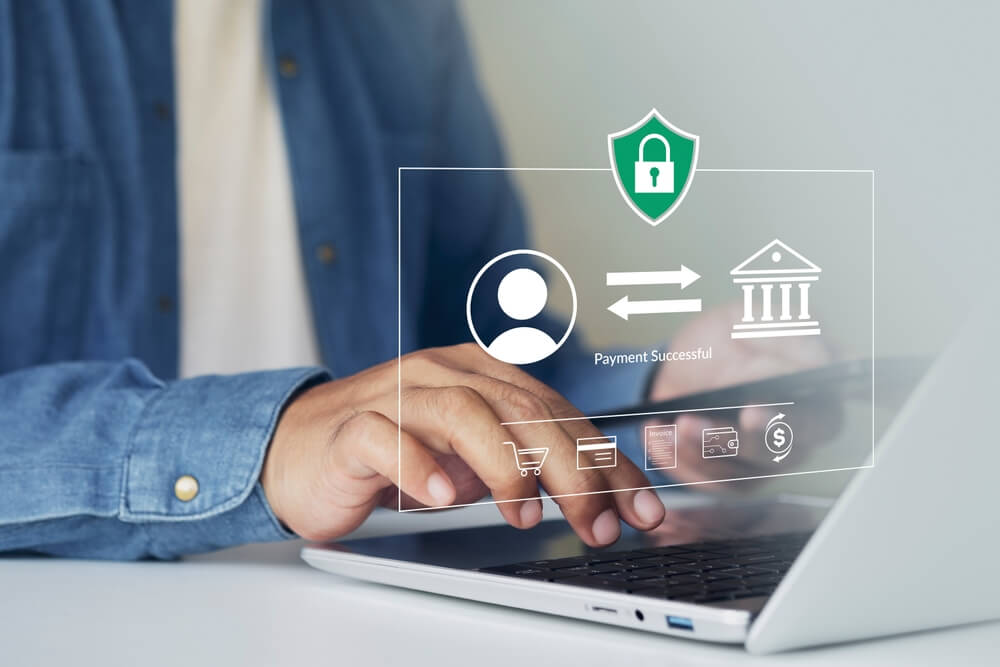
As digital payments continue to grow across industries, businesses are handling more sensitive data than ever before. Credit card payments, mobile payments, and online payments all involve the transmission of sensitive payment information, making payment security a critical concern for merchants of every size. Data breaches, security breaches, and fraudulent transactions can result in financial losses, regulatory penalties, and long-term damage to customer trust.
Why Payment Tokenization Matters for Modern Businesses
- Reduces the Risk of Data Breaches: Payment tokenization replaces sensitive payment information with randomly generated tokens, limiting exposure if a security breach occurs.
- Protects Sensitive Payment Data: By removing actual card data from business systems, tokenization helps safeguard customer payment information across digital and in-store transactions.
- Enables Secure Recurring Payments: Businesses can process recurring billing and future transactions using stored tokens instead of sensitive card details.
- Strengthens Customer Trust: Using tokenization demonstrates a commitment to payment security and data protection, reinforcing confidence in digital payment experiences.
What Is Payment Tokenization?
Payment tokenization is a security tokenization process that replaces sensitive payment data, such as credit card details or primary account numbers (PAN data), with a unique token. These payment tokens are randomly generated tokens that have no mathematical relationship to the original data.
Once tokens are generated, the actual card data is removed from the merchant’s systems and securely stored by a token service provider or payment service provider. The token can then be used for transaction processing, recurring payments, or future transactions without exposing sensitive information.
Because tokenized data does not contain actual card details, it cannot be used if intercepted during a security breach. This makes credit card tokenization an effective method for protecting customer payment data.
Why Tokenization Is Important in Modern Payment Processing
Businesses today accept payment information across multiple channels, including ecommerce transactions, in-store transactions, mobile payments, and digital wallets like Apple Pay and Google Pay. Each digital transaction introduces potential exposure to sensitive payment details.
Tokenization solutions reduce this exposure by ensuring that sensitive payment information is never stored or transmitted in its original form. By replacing sensitive payment information with transaction tokens, businesses reduce the risk of data breaches and associated costs such as chargebacks, remediation, and reputational damage.
This approach is especially important for subscription-based businesses and subscription services that rely on recurring billing or recurring payments. Instead of storing actual card details, businesses can store tokens securely and reference them when processing future charges.
How Payment Tokenization Works in Practice
When a customer initiates a payment, whether through ecommerce, digital transactions, or in-store card terminals, a token request is sent to the payment processor. The processor validates the payment details with the card issuer and generates a unique token.
That unique token replaces sensitive payment data throughout the transaction lifecycle. The original data is stored securely in a secure storage environment managed by the payment service provider, not the merchant. If a refund, recurring billing cycle, or future transaction is required, the stored token is used instead of actual card data.
Because the token has no value outside the payment system, it cannot be exploited even if accessed improperly.
Tokenization vs. Encryption Systems
Encryption systems protect data by scrambling it and requiring a decryption key to restore the original information. While encryption plays an important role in data security, encrypted card data can still be a target if decryption keys are compromised.
Tokenized payments work differently. Tokenization removes sensitive information entirely, replacing it with a reference value that has no exploitable meaning. This significantly reduces the risk of exposing sensitive payment data compared to systems that rely solely on encryption.
Tokenization and PCI DSS Compliance
Payment tokenization also supports PCI DSS compliance by reducing the amount of cardholder data that businesses handle directly. Because sensitive payment data and PAN data are not stored on merchant systems, the PCI DSS scope is smaller and easier to manage.
This reduced compliance burden helps businesses align with industry standards while minimizing administrative effort and compliance-related expenses. For many merchants, tokenized payments are a practical way to meet PCI DSS requirements while improving overall payment security.
Building Secure Payments and Customer Trust
Protecting customer payment information is essential to maintaining customer trust in digital payments. A single data breach can undermine confidence and impact long-term customer relationships.
By using payment tokenization to protect sensitive data, businesses demonstrate a commitment to enhanced security and responsible data handling. Tokenized data, secure storage, and reduced exposure all contribute to safer payment processing and more reliable digital payment experiences.
Practical Foundation for Secure Digital Payments
Payment tokenization is no longer a specialized security feature—it is a foundational element of modern payment processing. By replacing sensitive payment details with secure tokens, businesses reduce the risk of data breaches, protect customer data, and support secure payments across ecommerce, mobile, and in-store environments.
As digital transactions continue to evolve, tokenization remains one of the most effective ways for businesses to protect sensitive payment information while supporting efficient, scalable payment processing.
Understanding payment tokenization is an important step toward improving payment security and reducing the risk of data breaches. Choosing a payment processor that applies tokenization consistently across payment channels can help protect sensitive payment data while supporting everyday business operations.
CardConnect provides payment processing solutions designed to support tokenized payments, PCI DSS compliance, and secure transactions across in-store, online, and mobile environments. CardConnect offers the lowest rate guarantee, or we’ll pay you $250. You have nothing to lose. Call us today.


