
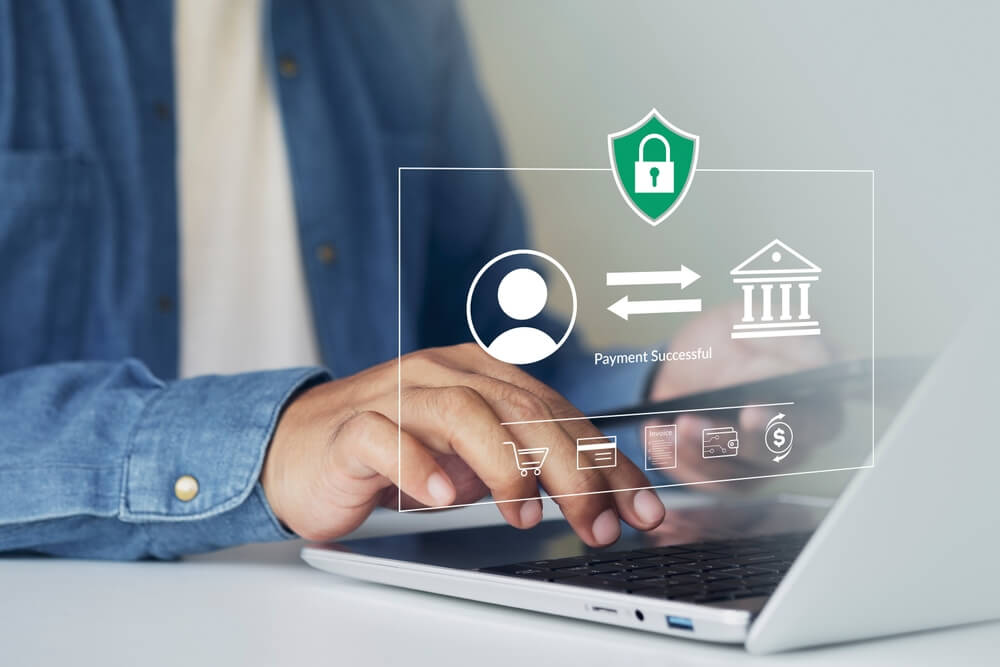
A reliable payment Application Programming Interface (API) is essential for businesses to process transactions, collect payments, and protect sensitive payment information. While Stripe and PayPal are popular choices, not all payment providers deliver the same level of performance, security, or flexibility. Small and medium-sized B2C businesses, especially those that rely on point of sale (POS) systems, card terminals, or in-person sales, often need a more robust solution. Understanding how payment APIs work, which features matter most, and how to evaluate processors can help businesses make smarter decisions and avoid costly mistakes. Here’s why you should consider alternative solutions to Stripe and PayPal for your business needs.
What You Need to Know About Your Payment Gateway
- Payment API Defined: A payment API is the technology that securely connects a business’s checkout system with banks and card issuers, enabling smooth transaction processing.
- Security Is Critical: PCI DSS compliance, tokenization, and encryption protects sensitive payment information and reduces the risk of data breaches or fraud.
- Limitations of Popular Platforms: While Stripe and PayPal are widely used, they may have higher fees, limited hardware integration, and minimal dedicated support for SMBs.
- High-Performance Features Matter: The best payment processors provide flexible APIs, fraud detection, reliable authorization rates, recurring payments support, and developer-friendly tools.
- Integration Boosts Efficiency: Providers that combine both online and in-person payment capabilities, integrated hardware, and clear transaction reporting can simplify operations and improve customer experience.
- Merchant-Focused Solutions Win: Choosing a provider with customized rates, included POS hardware, and dedicated account managers ensures secure, reliable, and cost-effective payment processing.
What Is a Payment API?
A payment API is the technology that connects a business’s software or checkout system with the financial institutions that handle payments. It allows merchants to securely transmit payment information, capture payment method details, manage recurring payments, and receive clear transaction responses. APIs also enable tokenization of credit card numbers—replacing the 16-digit card number with random, unique tokens. This reduces the risk of storing sensitive data and helps prevent data breaches. By utilizing a payment API, businesses can offer a seamless checkout experience while maintaining PCI DSS compliance and other security standards, whether they operate online, in-store, or across mobile platforms.
How Payment Processing Works
When a customer completes a purchase, the process begins with the entry of payment credentials. The payment gateway transmits this information to the card issuer or the customer’s bank, which verifies sufficient funds and performs fraud checks. Once approved, the authorization response is sent back, and funds are settled in the merchant account. The differences between providers are revealed in areas like transaction speed, approval rates, security measures, and integration capabilities. While Stripe and PayPal perform well for purely digital businesses, many merchants need a solution that supports physical POS systems, terminals, and integrated reporting.
Limitations of Stripe and PayPal for SMBs
Stripe and PayPal are commonly used, but small and medium-sized merchants often face several challenges with these processors. Flat-rate pricing can lead to higher processing costs, especially for businesses with high volumes or mixed transaction types. Hardware integration for in-person sales may require additional vendors or software, creating a more complex process. Account stability is another concern. Many merchants experience sudden freezes or reviews that can disrupt cash flow. Additionally, support is often limited to help centers or automated responses, leaving businesses without a reliable point of contact for troubleshooting or guidance. For businesses that sell both online and in-store, these limitations can reduce efficiency, slow down operations, and impact customer experience.
Features of a High-Performance Payment API

A strong payment processor delivers more than basic transaction processing. Key features to consider include security, flexibility, and developer-friendly tools. Security and Compliance: A high-quality API ensures PCI DSS compliance, encrypted transmission, and tokenization of sensitive payment information to prevent breaches. Fraud Detection and Authorization Rates: Built-in fraud checks and reliable approval rates reduce failed transactions and chargebacks. Flexible Payment Methods and Recurring Payments: Support for multiple payment types (including digital wallets, subscriptions, and recurring billing) allows businesses to meet customer preferences without additional setup. Developer Tools and Testing Environments: Sandbox environments and documentation enable safe testing of API integrations using dummy data, ensuring smooth implementation and minimal errors.
How to Evaluate Payment Processors
When comparing payment APIs, businesses should examine factors beyond brand recognition. Look at and compare total processing costs, approval rates, fraud prevention capabilities, and hardware compatibility. API flexibility is crucial, as it affects how easily your systems can integrate and adapt to new payment methods. Dedicated support is another differentiator. Having a reliable point of contact for questions, troubleshooting, and integration issues can save time and prevent revenue loss. Finally, consider overall credibility and reputation, especially in an industry where fraudulent providers and unstable accounts are rampant.
Why Some Processors Outperform Stripe and PayPal
Processors that excel often combine online and in-person payment capabilities with strong security, flexible APIs, and transparent pricing. They support integrated POS hardware, offer advanced fraud detection, and maintain high authorization rates. Developers and merchants alike benefit from clear transaction data, sandbox environments, and tools that make recurring payments and digital wallets easier to implement. The best payment providers create a seamless ecosystem where transactions (whether online, in-store, or mobile) are secure, reliable, and fast. This ensures businesses can focus on growth instead of failed payments or complex integrations.
Take Action: Consider a Strong Payment API Provider
For businesses seeking an alternative to Stripe and PayPal, it’s important to choose a processor that delivers reliable approvals, integrated hardware, strong security, and flexible API support. CardConnect offers these features and more, including customized rates, included POS terminals, and dedicated account managers. Whether your business sells online, in-person, or both, CardConnect provides a secure, PCI-compliant payment API designed to streamline transaction processing and reduce costs. Start accepting credit card payments confidently and efficiently with a provider built for merchants. Contact a member of our team today to learn more.


